5 Signs You Need an Electrical Panel Upgrade in Your Home
Your electrical panel is the traffic controller for your home’s power. Every light, outlet, appliance, charger, and circuit routes through it. When that panel is outdated, undersized, or simply worn out, the whole house starts sending signals. Sometimes those signals are subtle, like lights that flicker when the microwave kicks on. Sometimes they are harder to ignore, like breakers that trip every week or a panel that feels warm to the touch.
For homeowners, an electrical panel upgrade is not just about convenience. It is about safety, reliability, and making sure your home can handle the way people actually live now. Years ago, homes were not designed for electric vehicle chargers, large HVAC systems, home offices, backup generators, kitchen appliance loads, and a dozen smart devices running at once. If your panel is still trying to power a modern household with yesterday’s capacity, it may be time to take a closer look.
At Compass Electrical Solutions, we work with homeowners across the St. Louis region on practical, code-compliant solutions that improve safety and performance. If your home has been showing signs of electrical strain, here are five of the most common indicators that it may be time for a panel upgrade.
1. Your Breakers Trip Often
A breaker that trips once in a rare while is not always a crisis. Breakers are designed to shut off power when a circuit is overloaded or a fault is detected. In that sense, a tripped breaker is doing its job. But if you are resetting the same breaker over and over, that is not normal wear and tear. That is your electrical system waving a red flag.
Frequent breaker trips often mean your panel is struggling to keep up with the electrical demand in the home. Maybe the kitchen circuit trips every time the toaster, coffee maker, and microwave are running together. Maybe the basement breaker goes out when someone plugs in a space heater. Maybe the bathroom trips when a hair dryer and curling iron are used at the same time. These are not random annoyances. They are signs that the existing panel or connected circuits may be overloaded.
In some homes, this problem shows up after a renovation. A finished basement, updated kitchen, new HVAC equipment, or added workshop can increase demand beyond what the original service panel was built to handle. In other homes, the issue has simply developed over time as families added more electronics, more appliances, and more charging stations without upgrading the electrical backbone behind them.
An electrical panel upgrade can help by increasing available capacity and allowing your system to distribute power more safely and efficiently. It also gives an electrician the chance to inspect the full setup, identify outdated components, and make sure the home is protected the way it should be.
2. Your Lights Flicker or Dim When Appliances Turn On
If your lights dip for a split second when the air conditioner starts, you might shrug it off. If it happens regularly, though, that is worth attention. Dimming or flickering lights can point to voltage fluctuations, overloaded circuits, loose connections, or a panel that no longer handles the home’s demand well.
Think of it like water pressure in an old plumbing system. Turn on one fixture and another starts sputtering. In an electrical system, when a major appliance turns on and the lights elsewhere react, it can mean the flow of power is not being managed properly. That can happen when circuits are stretched too thin or when the panel itself is outdated or deteriorating.
This issue is especially common in older homes around St. Louis, where the character is great but the original electrical infrastructure may be long past its prime. A charming brick home built decades ago may have been wired for a refrigerator, a few lamps, and a window unit. It was not built with today’s electrical loads in mind. Add modern kitchen equipment, laundry appliances, televisions, gaming systems, and work-from-home setups, and the strain starts to show.
Flickering lights are easy to dismiss because the problem feels small. But electrical problems do not always arrive with fireworks. Sometimes they start as a blink, a hum, or a little dip in power before they become expensive or dangerous. If your lights consistently react when larger appliances turn on, it is smart to have your panel and circuits evaluated.
3. Your Panel Is Old, Outdated, or Uses Obsolete Equipment
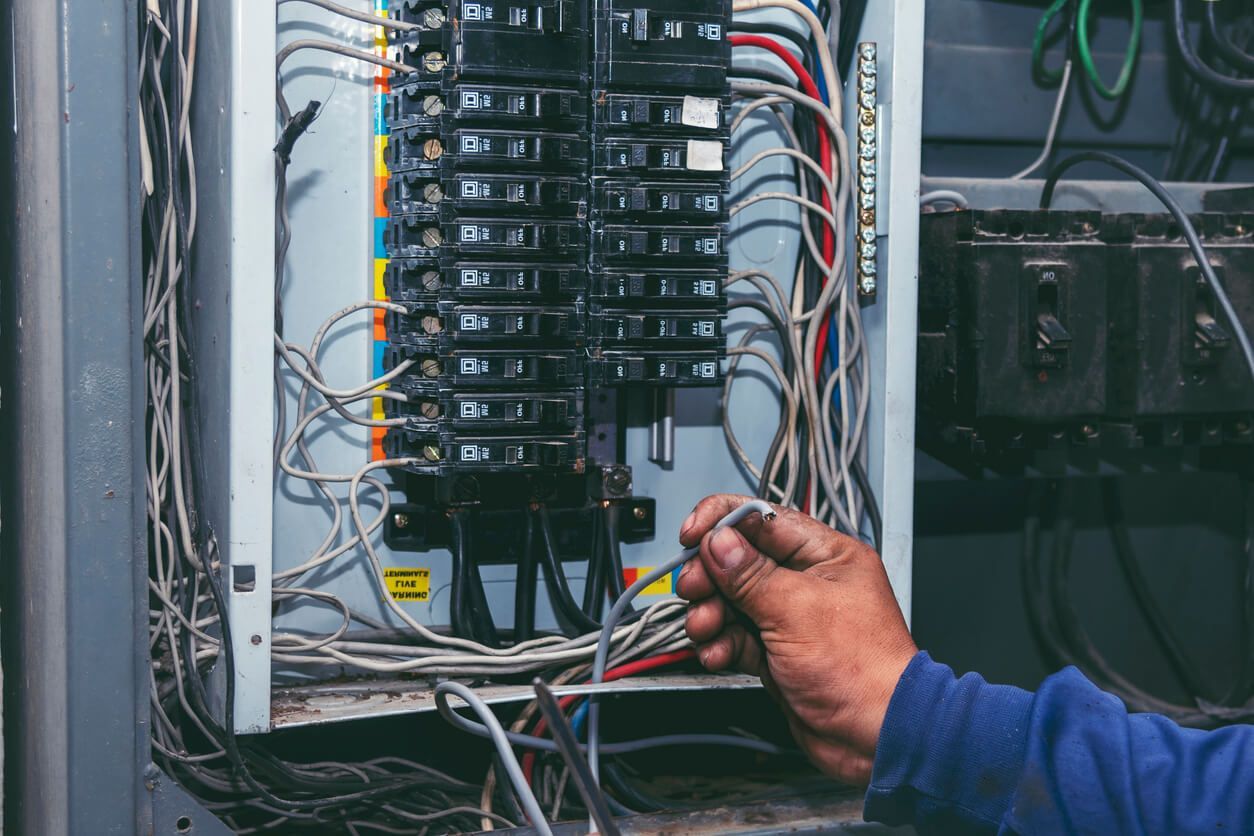
Sometimes the biggest warning sign is simply age. If your electrical panel is several decades old, there is a good chance it was not designed for modern household demand. Even if it seems to be working, an aging panel may have limited capacity, worn breakers, outdated technology, or safety concerns tied to older brands and components.
Many older homes still have 60-amp or 100-amp service, which can be inadequate for how families use electricity today. A modern home may need more room for dedicated circuits, upgraded grounding, surge protection, and larger service capacity. If you are planning any significant home improvements, the panel often becomes the bottleneck.
There are also certain older panel brands that electricians frequently recommend replacing due to known reliability or safety issues. If you have been told your panel is a Federal Pacific, Zinsco, or another obsolete model, do not ignore that advice. Some of these panels have documented histories of breakers failing to trip properly, which creates a serious fire risk.
A panel can also show its age in more obvious ways. Rust, corrosion, buzzing sounds, heat, scorch marks, or breakers that feel loose are all signs that the equipment may be deteriorating. The panel should not smell burnt. It should not crackle. It should not feel like an old machine barely hanging on. If it does, it is time to call a licensed electrician.
An electrical panel upgrade is often one of the most important improvements you can make in an older home because it addresses the system at its core. Instead of chasing one symptom after another, you are strengthening the source of distribution for the whole house.
4. You Are Adding Major Appliances or New Electrical Loads
A lot of homeowners first discover they need an electrical panel upgrade when they try to install something new. Maybe it is an EV charger in the garage. Maybe it is a standby generator, a hot tub, a new electric range, or a basement mini-split system. On paper, it sounds simple: buy the equipment, schedule installation, and enjoy the upgrade. Then the electrician opens the panel and finds there is no room, not enough amperage, or a service that is already maxed out.
This is becoming more common as homes shift toward higher electrical demand. Electric vehicle charging alone can significantly change what a home needs from its panel. The same goes for generator interconnection, electric water heaters, induction cooking, and larger HVAC systems. These are not luxury add-ons anymore. They are increasingly standard parts of modern living.
If your panel is already full or close to capacity, adding more load without upgrading the system is like stacking boxes on a shelf that is already bowing in the middle. It may hold for a while. It may also fail at the worst possible time.
A panel upgrade creates the space and capacity needed for safe expansion. It can also support better circuit organization, reduce overload risk, and prepare the home for future improvements. Even if you are only planning one project right now, it makes sense to think ahead. Homeowners who install an EV charger today may add battery backup or a generator tomorrow. A smarter long-term electrical plan can save money and headaches later.
This is one of the reasons a consultative approach matters. A good electrician will not just look at the immediate installation. They will look at how your entire system functions and whether it is ready for what comes next.
5. You Still Rely on Extension Cords, Power Strips, or Too Few Outlets
This sign is easy to overlook because it feels more like a layout problem than an electrical one. But when a home constantly depends on power strips, extension cords, outlet splitters, and workarounds, it often points to a system that no longer matches how the space is being used.
Maybe your living room has one usable outlet, so everything runs through a surge strip behind the TV. Maybe the home office has computers, monitors, chargers, and printers all daisy-chained into one wall receptacle. Maybe the garage has become a workshop, but there are not enough circuits to support tools and lighting safely. These are not just inconveniences. They can be signs that your home needs electrical updates, including a panel upgrade.
An older panel may limit your ability to add new circuits where they are needed. That means homeowners keep stretching the existing system instead of improving it. Over time, that puts more stress on the panel and increases the chance of overheating, nuisance tripping, or unsafe wiring conditions.
A panel upgrade often goes hand in hand with a broader electrical improvement plan. Once the panel has the capacity, an electrician can add dedicated circuits, improve outlet placement, and make the home more functional. The result is not just a safer system. It is a house that works better for everyday life.
If your electrical setup feels like a patchwork of adapters and temporary fixes, that is usually a sign the system needs more than another power strip.
Why Panel Upgrades Matter for Safety and Home Value
An electrical panel upgrade does more than solve immediate problems. It can improve the overall safety of your home by reducing overload risk, replacing outdated equipment, and bringing the system closer to current code requirements. That matters whether you plan to stay in the home for years or sell it in the near future.
Buyers are paying more attention to electrical systems than they used to, especially in older homes. A modern panel can make a home more attractive because it signals that the infrastructure has been updated responsibly. It also gives future owners confidence that the house can support newer appliances, technology, and energy needs.
There is also the day-to-day peace of mind factor. You should not have to wonder whether the panel can handle summer cooling, holiday lighting, or one more appliance in the kitchen. You should not be nervous every time a breaker trips or lights flicker. Your electrical system should feel invisible in the best way possible: dependable, steady, and ready.
What to Expect When You Have Your Panel Evaluated
If you suspect your home may need an electrical panel upgrade, the first step is a professional evaluation. A licensed electrician will look at the age and condition of the panel, the amperage of your existing service, the number and type of circuits, and the actual electrical load in the home.
They may also ask about future plans. Are you considering an EV charger? Planning a kitchen remodel? Thinking about generator installation? These details matter because the right panel upgrade should solve today’s issues while preparing for tomorrow’s needs.
In many cases, homeowners are relieved just to get a clear answer. Electrical issues can feel vague until someone opens the panel and explains what is happening in plain language. Sometimes the solution is a full service upgrade. Sometimes it involves panel replacement, subpanel work, or circuit reconfiguration. The key is getting a safe, practical recommendation based on how your home really operates.
Don’t Wait for a Small Problem to Become a Major One
Electrical systems rarely improve with age on their own. If your home is showing signs of strain, delay usually makes things harder, not easier. What starts as an occasional nuisance can turn into damaged equipment, recurring outages, failed inspections, or a real safety hazard.
An electrical panel upgrade is one of those projects that protects the rest of the home. It supports your appliances, your comfort, your future upgrades, and most importantly, your safety. For many homeowners, it is the difference between constantly managing electrical limitations and finally having a system that works the way it should.
If you live in the St. Louis area and have noticed tripping breakers, flickering lights, an outdated panel, or capacity issues with new equipment, Compass Electrical Solutions can help. Our team takes a practical, high-standard approach to residential electrical work, including panel upgrades, generator installation, EV charger installation, and other home electrical improvements.
When your panel is telling you something, it is worth listening. The good news is that the fix can bring your whole home up to a safer, more reliable standard.
RECENT POSTS